This year I made a couple New Years resolutions, the first time (at least in earnest) since I was a young teen. Among them, weight loss (a classic), and to read a book every two weeks for the rest of the year. So here, I’ll give a quick summary of what I read and what I thought of them.
Books I done did read
First up is The Disfavored Hero the first book in the Tomoe Gozen Saga by Jessica Amanda Salmonson. This was a gentle start, as I was already over half way through this one after having been ‘reading’ it for the last year (this is only a 400 page paperback). I had decided to seek out some sword and sorcery books to read, and after having bounced off the first Conan story years prior, I did what I tend to do and looked for female authors (in a male dominated world the quality tends to be higher, and the risk of misogyny and racism a lot lower). I found Jessica Amanda Salmonson’s name and that she had written a saga based on a female Samurai in a fictionalised feudal Japan, where the legends and shinto teachings of the country were concretely real. Our hero, Tomoe Gozen is technically based on a real person, however what we know about her is not much beyond her name and that she was a samurai, but this bears little consequence on the quality of the work.
Salmonson weaves a fantastic tale that lives and breathes sword and sorcery in wonderful ways, avoiding the sort of tropes I’ve seen in the first chapters of male writers (our hero gracefully resists the urge to sexually assault a young woman in this contrived scenario, where we describe the woman’s helpless nubile body just a bit - a bit too much). There is violence, magic, a search for honor after digrace, themes of apathy, love and bravery - and it’s all very enjoyable to read.
I remember telling my mum about the book and saying there was some blatantly strong lesbian sub-text between two characters, before returning to the book after, wherein the two characters proceeded to make love and made me feel a fool. But I enjoyed the romance and thought the representation of two in love rather than simply lurid lovers (sorry, throwing shade at male writers again) was touching and engaging. Although there exists a power dynamic between the two that calls into question how equal the relationship could ever be - I felt by the end that the devout love between the two may in fact rise above this, hopefully its two sequels will make good on this.
I loved this book, a good female character is something I’ve always personally enjoyed, thanks mostly to Terry Pratchett’s female leads I think; the setting and world of Shinto-made-real somewhat echoed Greek- or Nordic- pantheon-made-real fiction, but with more respect and tact (important given the author is not from Japan). Where western religions have been ‘fantasy-fictionalised’ there tends to be a Gaiman- or Ennis- esque style reinterpretation of legend, but here Salmonson takes the premise of ‘what if it were simply real?’ and weaves a quasi-historical tapestry that doesn’t try to reinvent Thor or Loki or whoever as an edgy modern man, but creates something that could have sprung from then-contemporary stories of old, a legend itself.
I actually enjoyed the first book so much, and discovered some old US cover designs that I thought looked amazing - and imported second hand copies of them:
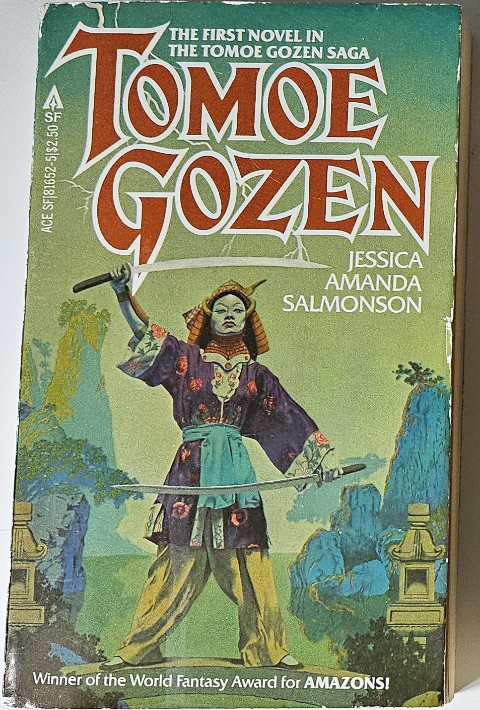
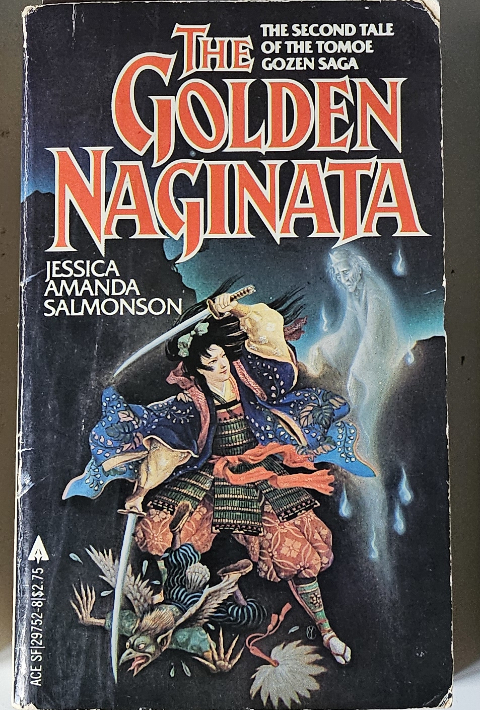
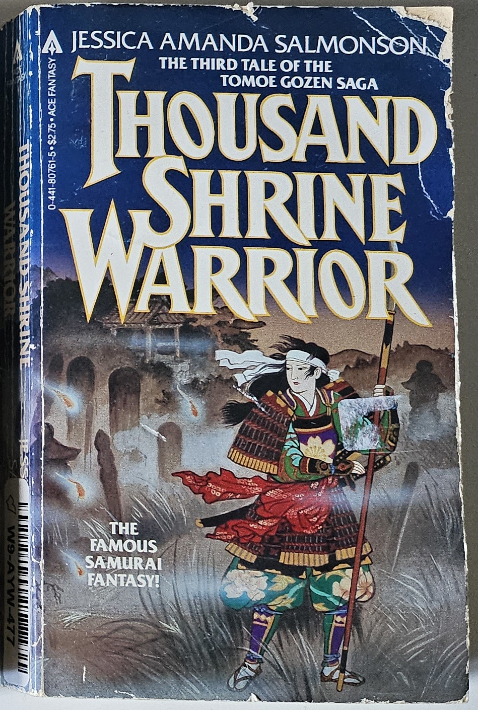 Cover art of the third book was by Kinuko Craft, the first two are uncredited inside the book, although stylistically I assume the second book was done by Kinuko Craft also - I’ve managed to identify the first cover as being a piece by Robert Florczak.
Second up is another book I had already started - The Giallo Canvas: Art, Excess and Horror Cinema by Alexandra Heller-Nicholas. Giallo is a film genre/style of Italian produced thriller/horrors that is best described as ‘a thing I am into’. Fully going into the definition of the genre and its elements is probably one for a post on its own, so to both crudely but still accurately summarize with the words of Wikipedia*:
In Italian cinema, giallo (Italian: [ˈdʒallo]; pl.: gialli; from giallo, lit. ‘yellow’) is a genre that often contains slasher, thriller, psychological horror, psychological thriller, sexploitation, and, less frequently, supernatural horror elements.
Heller-Nicholas explores the use of, connections to, and reverence for, art in Giallo films - particularly paintings. A fascinating analysis, delving into aspects of these films that I had often dismissed as simply a part of the baroque scenery, meaningless even if beautiful and aesthetically engaging. Understanding the histories Giallo filmmakers have with art and their attitudes towards it was enlightening - this book is highly recommended for fans of this cinematic niche; I will be revisiting some classic Giallo with new eyes thanks to Heller-Nicholas, and look forward to reading the work she drew from and cites alongside her analysis.
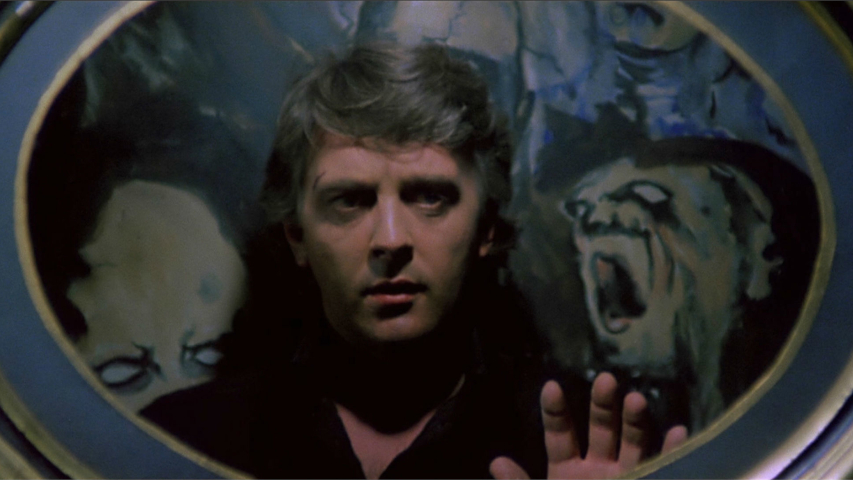
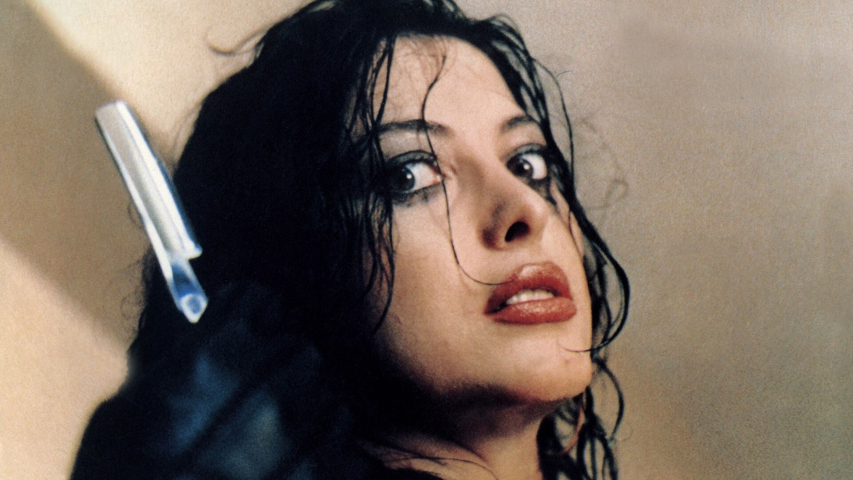
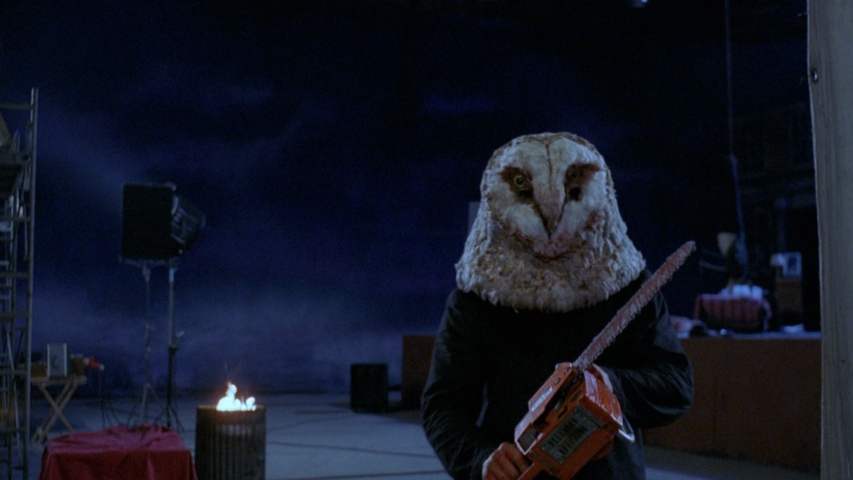
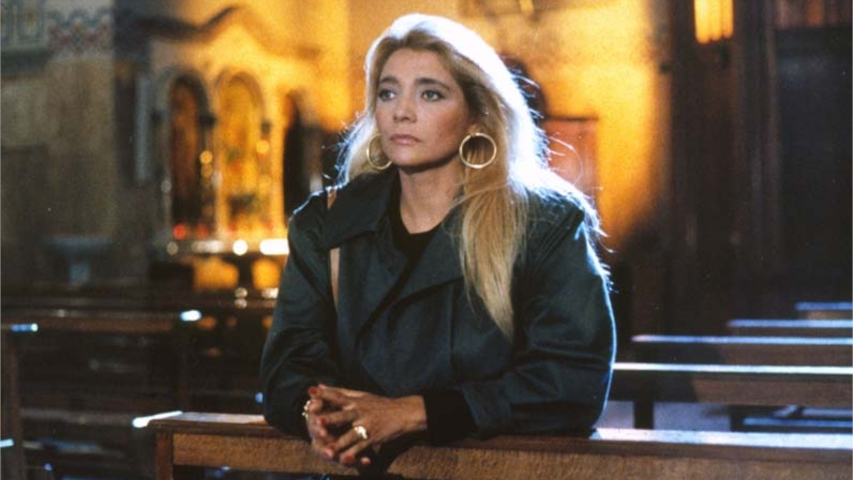
From left to right: Deep Red (Profondo Rosso, 1975) and Tenbre (1982) dir. Dario Argento; Stage Fright (Deliria, 1987) dir. Michael Soavi; Sweets from a Stranger (Caramelle da uno sconosciuto, 1987) dir. Franco Ferrini
The next book, which I have already started today, is The Erotic Engine by Patchen Barss. A history of pornography and erotica and it’s influence on technology and communications from prehistory to today. I’ll go into it a bit more in Febuary’s in review, but I actually chose to read this one next as part of research into another post I want to write. Afterwards, I’m not sure - I may go to the second Tomoe Gozen book, The Golden Naginata or crack into House of Leaves by Mark Z. Danielewski. I have many titles on my list so who knows where fancy will take me.
* This definition is cited from Simpson, Clare (4 February 2013). “Watch Me While I Kill: Top 20 Italian Giallo Films”. WhatCulture. Archived from the original on 17 November 2015.
Notes
- The title of the first Tomoe Gozen story was originally titled ‘Tomoe Gozen’ (as pictured above), but was retroactively renamed as ‘The Disfavored Hero’.